Water application
Probiotic treatment for cooling and process water.
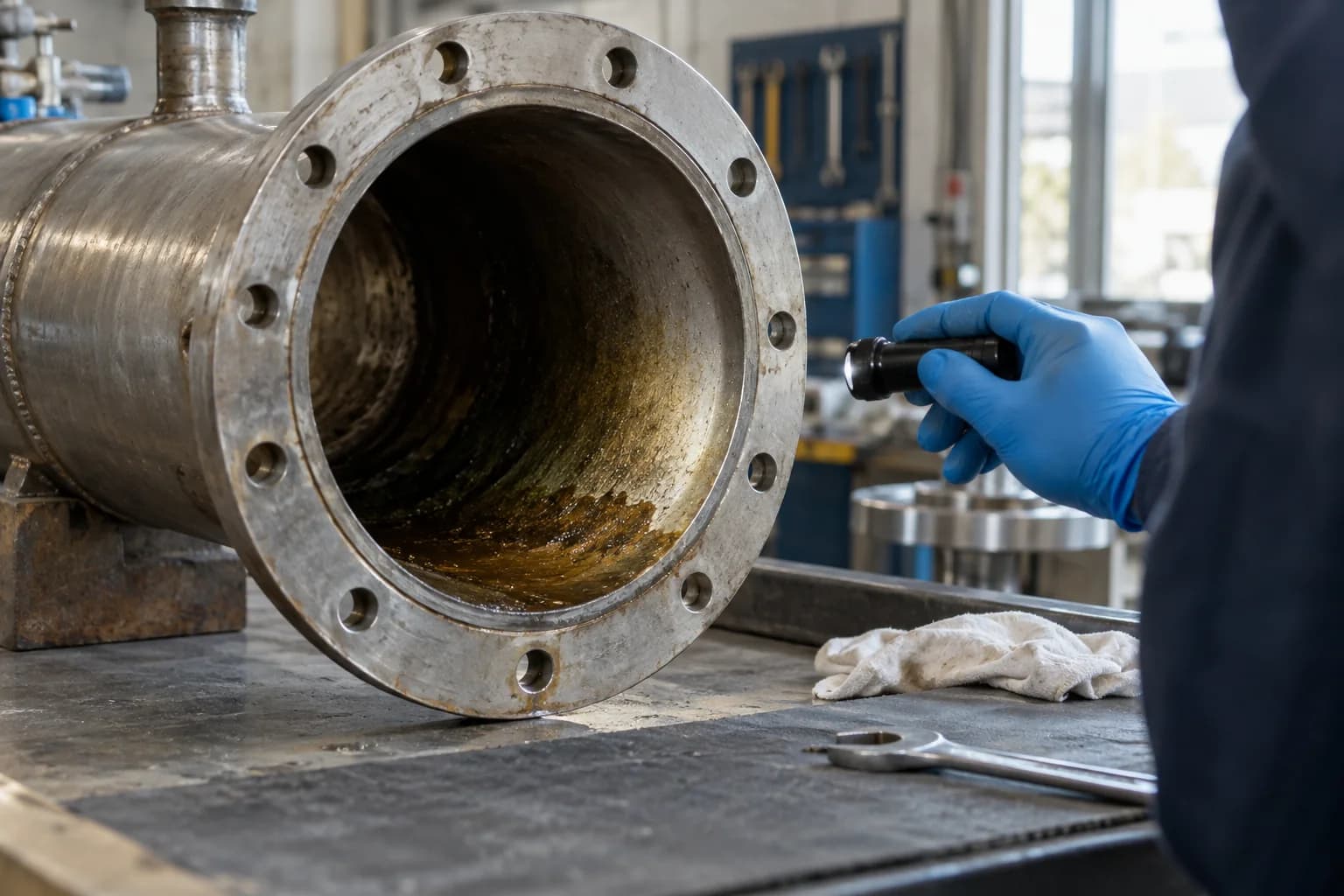
A high initial dose is intended to establish probiotic dominance in the water circuit. Nutrient competition and the use of existing EPS deposits as organic food aim to reduce biofilm. System condition, water chemistry and existing treatment shape the dosing plan.
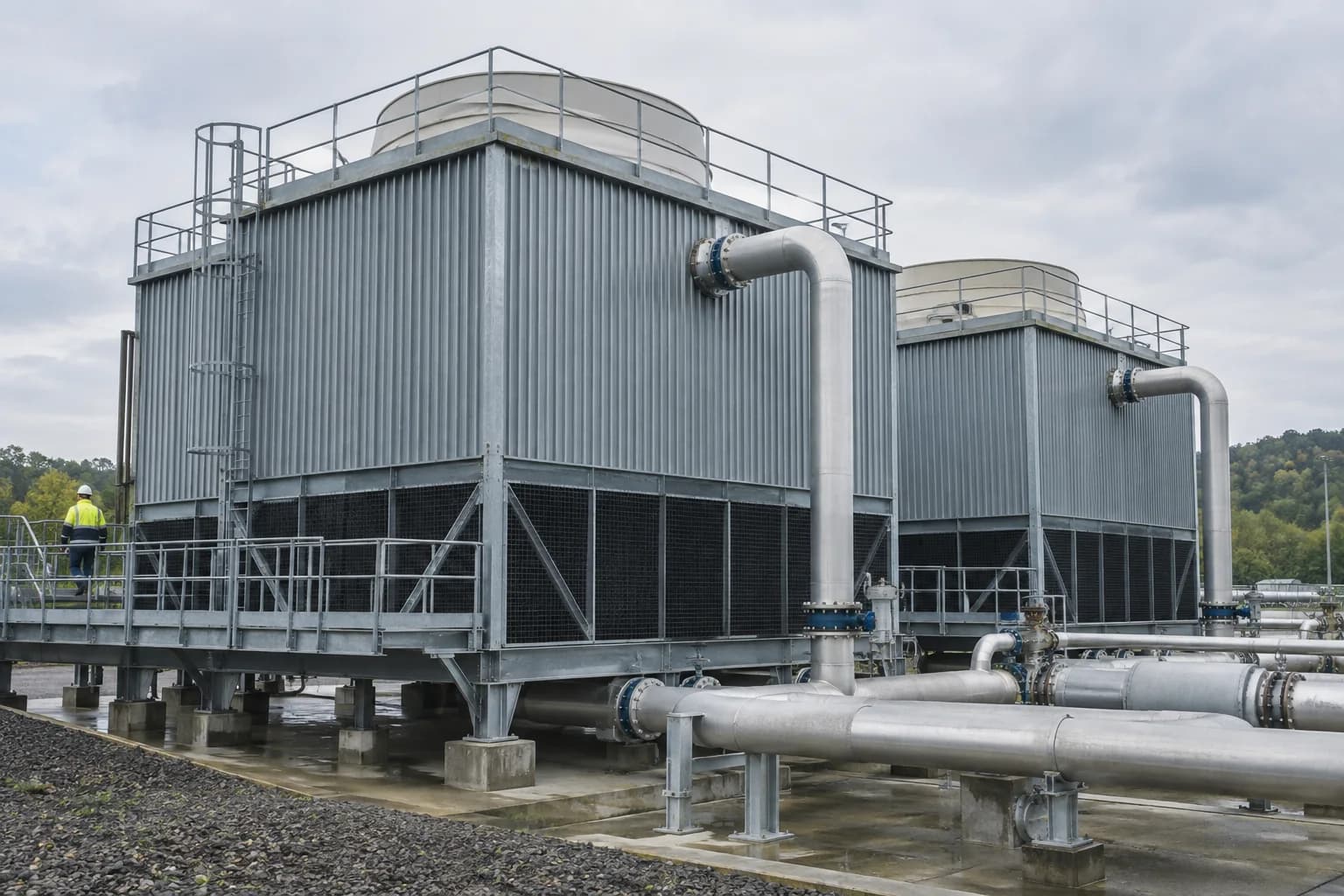
Systems to consider for assessment.
- Water circuits serving air-conditioning systems
- Water-based recooling systems
- Wet scrubbers
- Evaporative cooling systems
- Heat exchangers and condensers
- Washers and process water circuits
How a project runs.
01
Survey
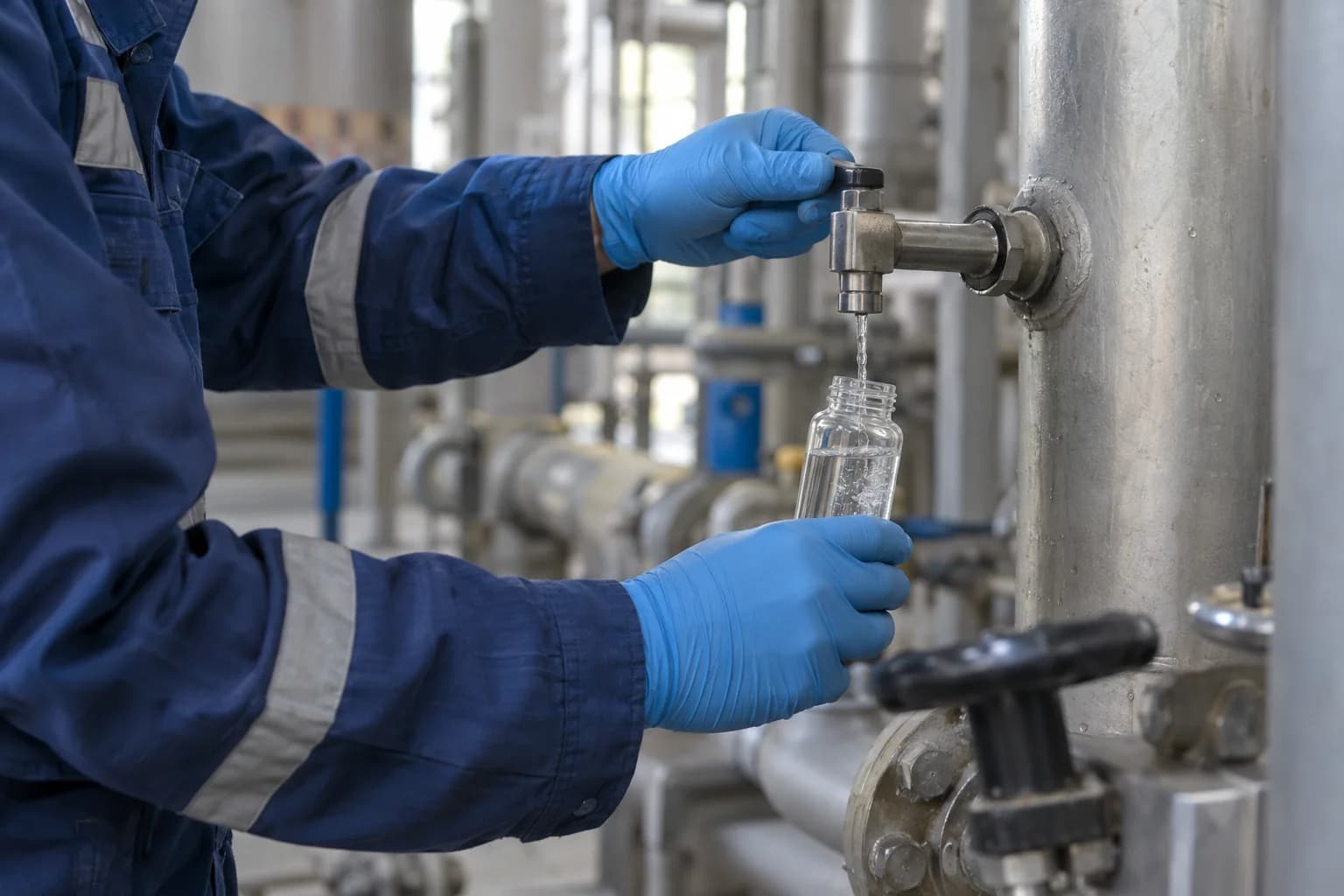
System data, water analysis and existing treatment are recorded.
02
Dosing plan
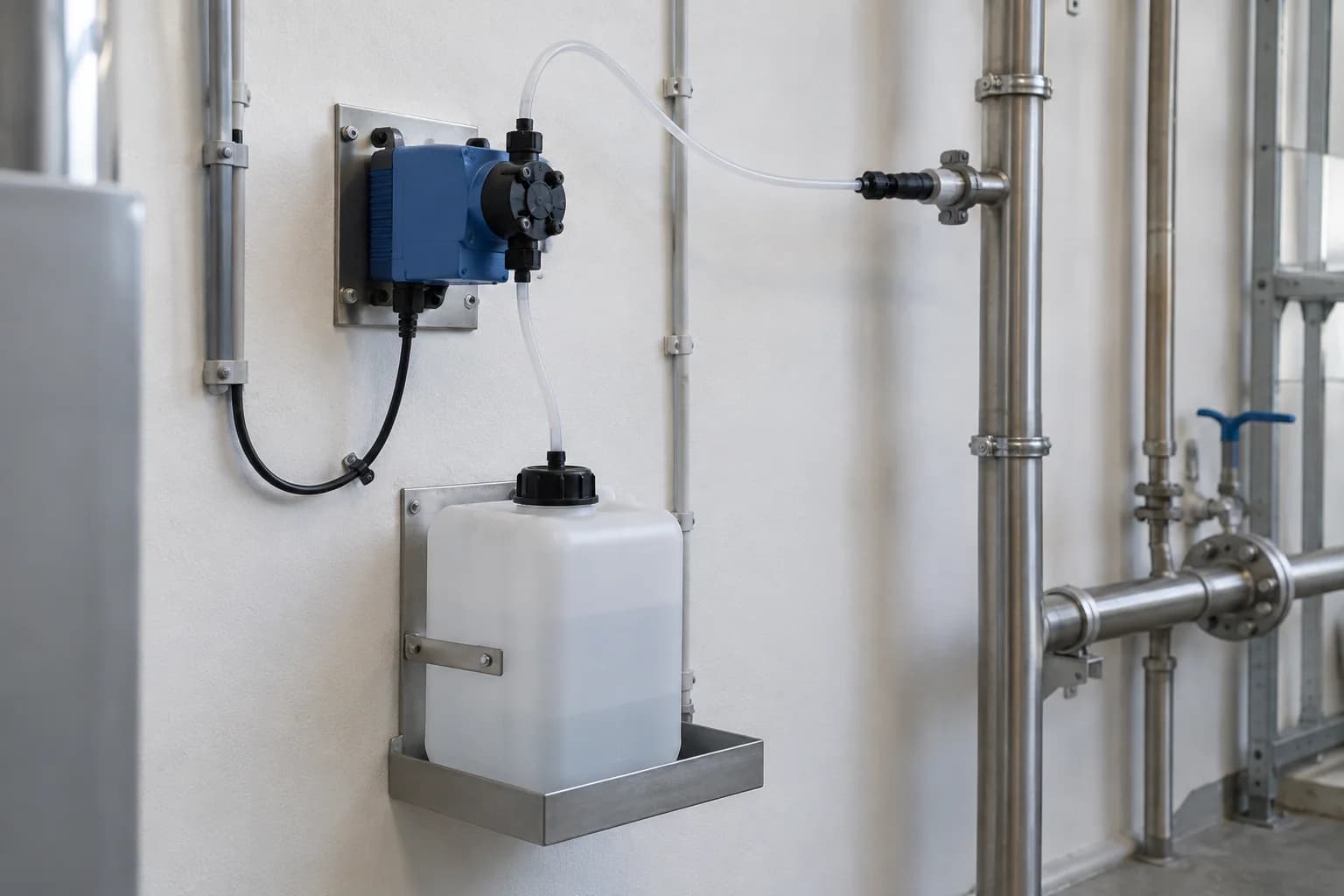
The initial dose for a probiotic majority, ongoing replenishment, injection point and product suitability are tailored to the system.
03
Start-up
Application follows the agreed plan. Any change to the existing treatment is technically reviewed and supported by monitoring.
04
Monitoring
Agreed microbiological tests and operating data record progress; statutory testing remains necessary.
05
Normal operation
Replenishment is intended to sustain the probiotic majority during population turnover. Biofilm changes, system condition and operating effort are regularly assessed.